We are part of the natural world. We marvel at the vastness of the cosmos, and we relish our place within it.
We experience the universe as an active part of it, fascinated—and inspired—because we’re made of the same ingredients as butterflies and blue whales, giant sequoias and spiral galaxies.
We see each other through humanist eyes—as fellow human beings—as cousins—equal in dignity and deserving of compassion and respect.
We cherish our loved ones and treasure our short time in the world, so we tackle problems using the most successful methods ever devised—science, reason, and free inquiry—to improve our lives and enhance the well-being of everyone.
We do not fear the unknown but rather take courage from the wondrous discoveries that have already been made.
We accept that our lives will end, but we find hope and take great joy in knowing that life keeps going.
We see ourselves as one tale among millions in the magnificent and ever-evolving story of life—and we are thrilled to be here.
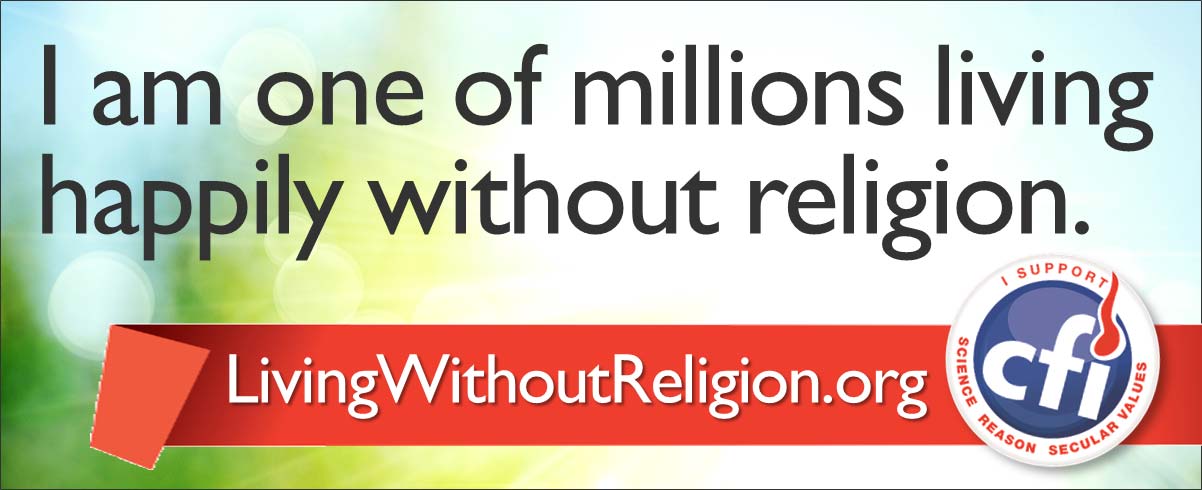
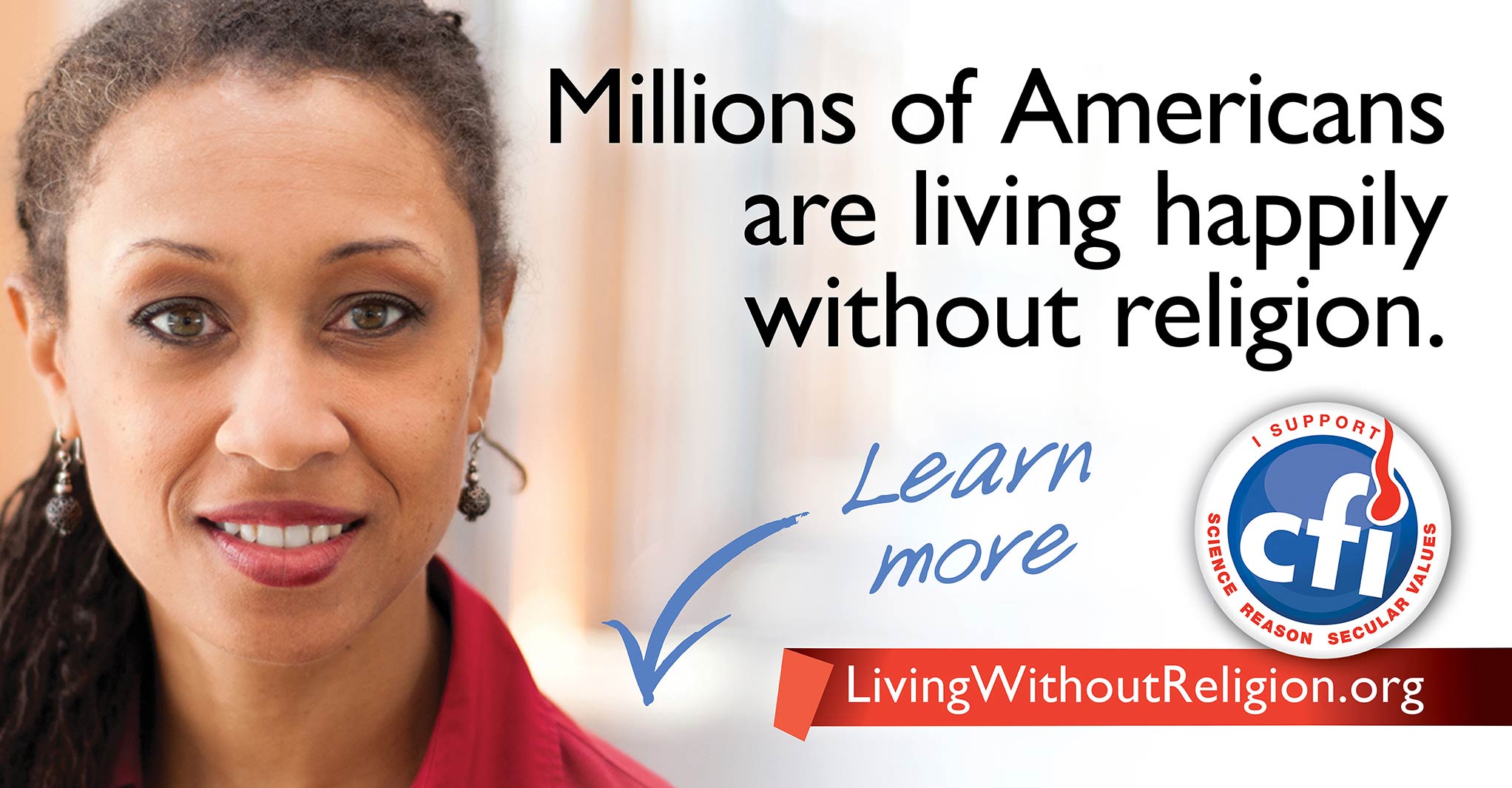
We are secular humanists, and we are living happily without religion.
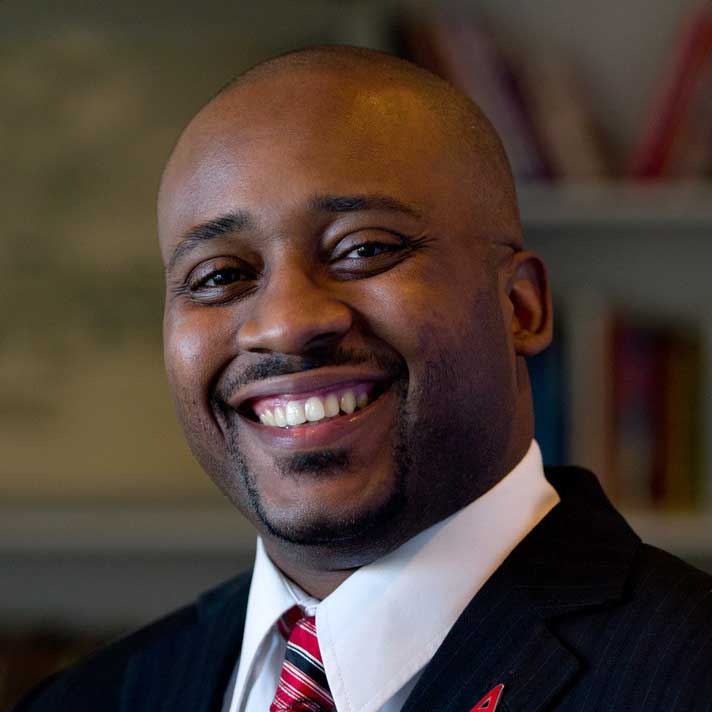
“Whether I'm in the lab investigating cellular respiration, or on stage making your feet move, my happiness is passionate and personal.”
Read moreWe make our own meaning and are free to create purpose for our own existence. We decide for ourselves what we want to do with the limited time we have on the planet. For example, we are connected with family, friends—even people we interact with around the world who we've never met in real life but who share our values and ideals. Those connections all add meaning to our lives.
We’re not here for some cosmic or universal purpose—we’re simply here. But that’s a good thing, because it means we get to decide what to do with our lives. We get to figure out what we want our purpose to be. That process itself is full of meaning.
Do people really need a divine commandment to know it's wrong to hurt people? No. Basic moral rules are common to all cultures.
We know we can choose on our own to be kind and compassionate. These virtues have intrinsic value, and showing kindness and compassion often leads to kindness and compassion by others. We recognize our responsibility for making the world a better place for everyone.
For more complex issues, especially ones that touch on public policy, we have science and reason to help guide us. We study different behaviors, and we use facts and data to help determine which behaviors are truly harmful and which ones are actually benign. We decide right and wrong based on real-world experience, not on tradition or what a god wants or doesn't want.
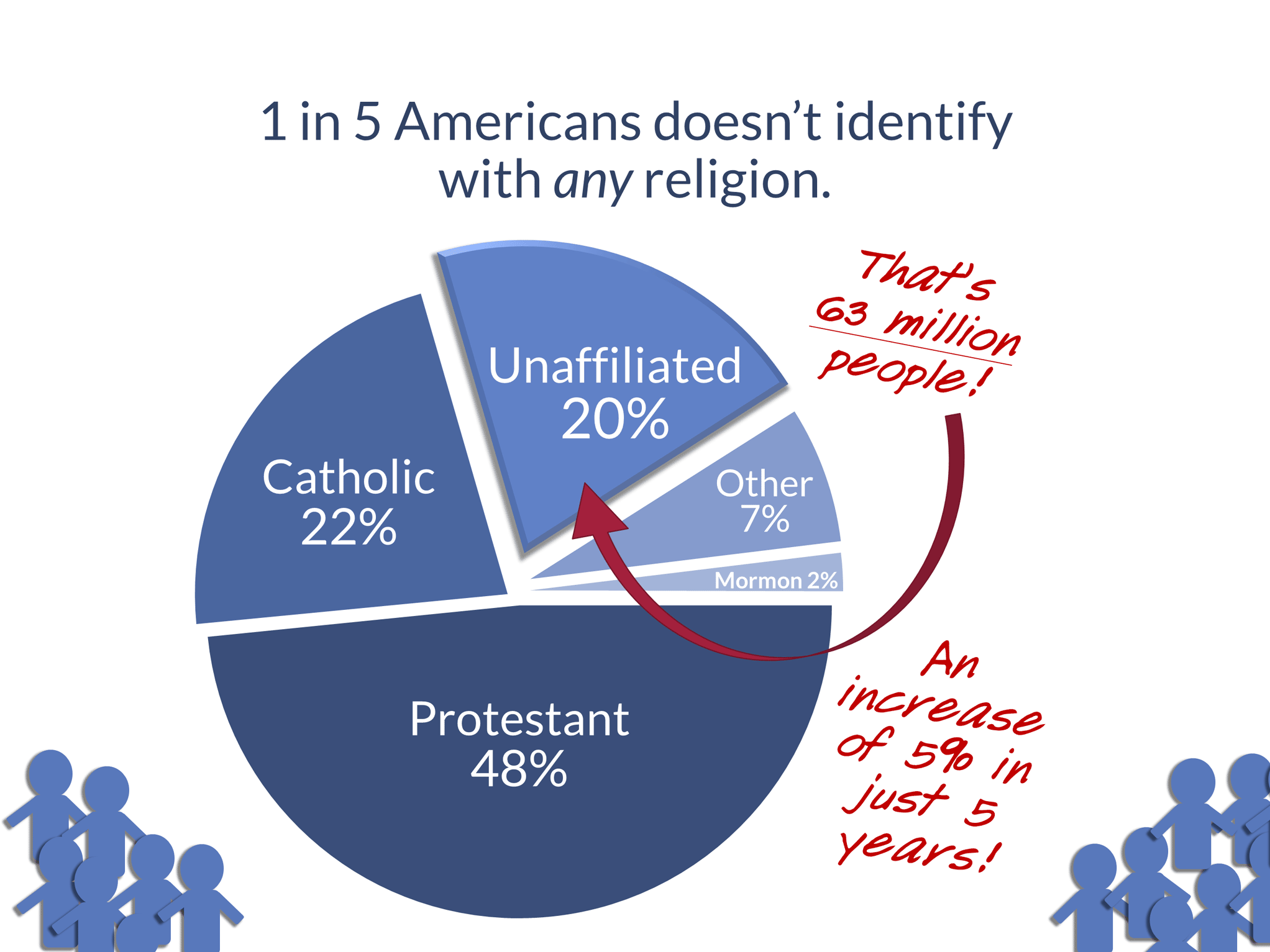
More and more people are coming out as nonreligious all the time. It wasn't too long ago that not having a religion meant being alone, but that's just not the case anymore, at least not everywhere. Chances are you live near a secular humanist or freethought group that has regular meetings, activities, and family events. If you're a student, there might be a secular group right on campus. These are going to be smart, interesting folks who don't get together because they have to, but because they seek each other out. If you're in trouble or if you need help, they step up and lend support.
One really good thing is that you can also opt out of these get togethers. There's no rule that says you have to be part of a group. If you prefer to do your own thing or just check in every now and then, that's okay, too. But it's great to know there are people who think like you and have the same questions and doubts as you—these people are out there. They probably live nearby. And they’re probably having a pizza night soon.
No. People can reach their own conclusions about how they want to live. But we want people to know what being nonreligious really means, and we want an end to the unjustified prejudice many feel toward nonbelievers. We want to dispel the myth that says a life without belief in God leads to loneliness or a lost sense of purpose or meaning. That's just simply not true, and there are millions of people to prove it.
It's practically impossible to talk about religion without offending somebody—but that's not a reason to avoid the subject. Religion is such a large part of our culture; we all need to be able to talk about it without getting offended.
If this campaign opens up opportunities to talk with religious communities about the nonreligious life and to dispel stereotypes about nonreligious people, that's a good thing. Those who do have doubts about religion need to know that there are many, many good things to look forward to.
Come speak to some of our members—people who have lived for years censoring what they say, suffering rejection by their families, being cast out of their community—until they found the nonreligious community. The funds we spend on outreach campaigns are a small price to pay to reach others like them, to start a discussion in their community about why it’s okay to live without religion, and to show how it’s possible to be happy without religion.
We share basic values rooted in inquiry, naturalism, and the scientific method—values that urgently need to be demonstrated and advanced in the broader culture.
To learn more, check out one of our major branches or visit the CFI website for a list of all branch locations, both U.S. and International.
Learn more about secular humanism by visiting CFI's partner organization, the Council for Secular Humanism.